
October has been full of inspiration, from extraordinary architecture and playful workspaces to a small habit that might change the way you approach your everyday life.
This month, I’m doing something a little different with my design picks. Instead of focusing on just one beautiful interior, I’ve been exploring the Dezeen Awards 2026 shortlist. With so many creative projects across architecture, interiors and design, choosing just a few favourites was no easy task!
A little warning before you click through: you might want to grab a coffee first. One project leads to another, then you discover a new designer, and suddenly a couple of hours have disappeared. Don't say I didn't warn you!

The Best Design Inspiration This Month
La Querola by Ribas & Ribas Arquitectos
Can a building feel as though it has always belonged to the landscape?
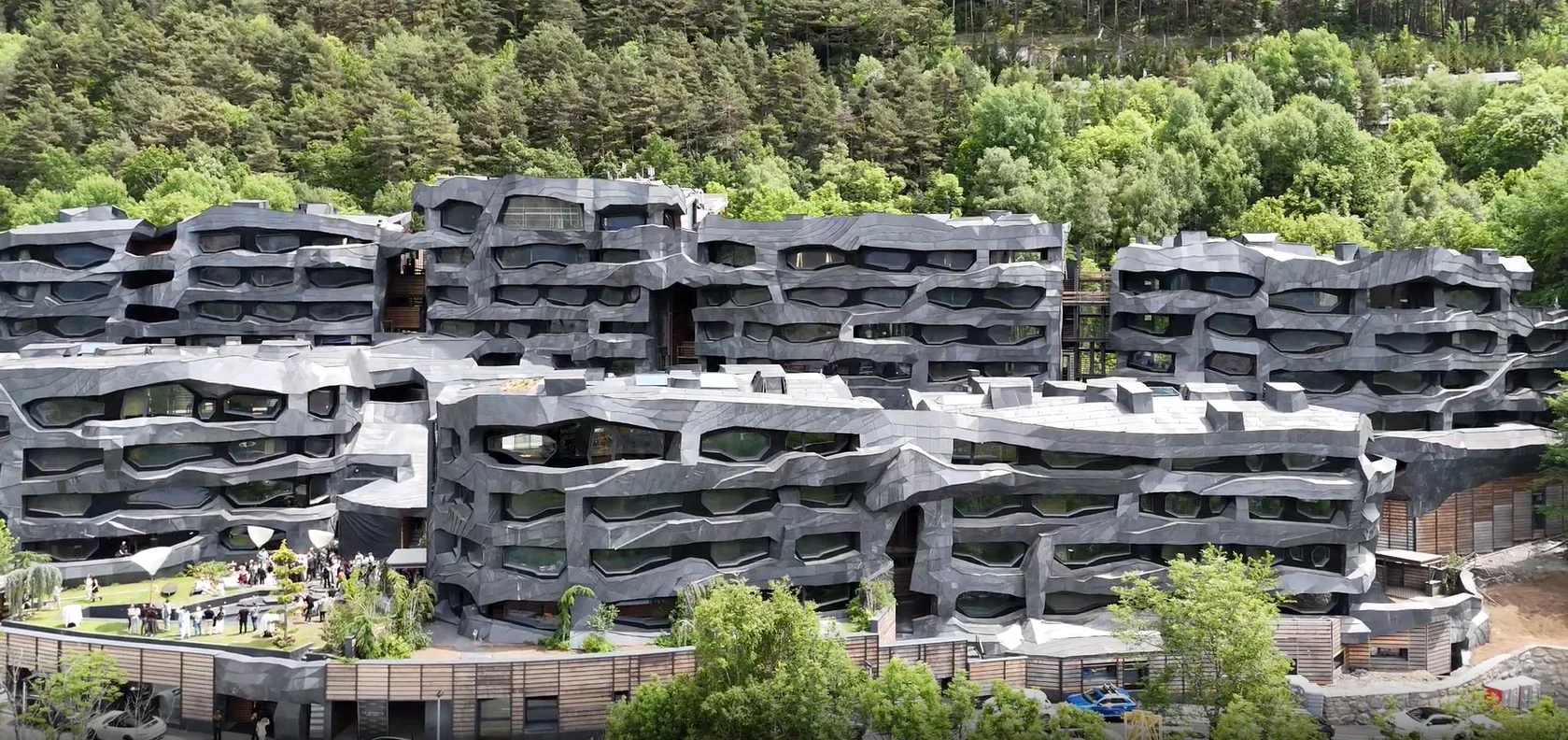
La Querola, a residential development in Ordino, Andorra, explores this idea beautifully. Designed by Ribas & Ribas Arquitectos in collaboration with Jean Nouvel and Jordi Sala, the project takes inspiration from the rugged mountain landscape surrounding it. Rather than creating a conventional apartment block, the architects have designed a collection of sculptural forms that resemble enormous rocks scattered across the valley. The result is a development that feels almost as though it has emerged naturally from the mountains.
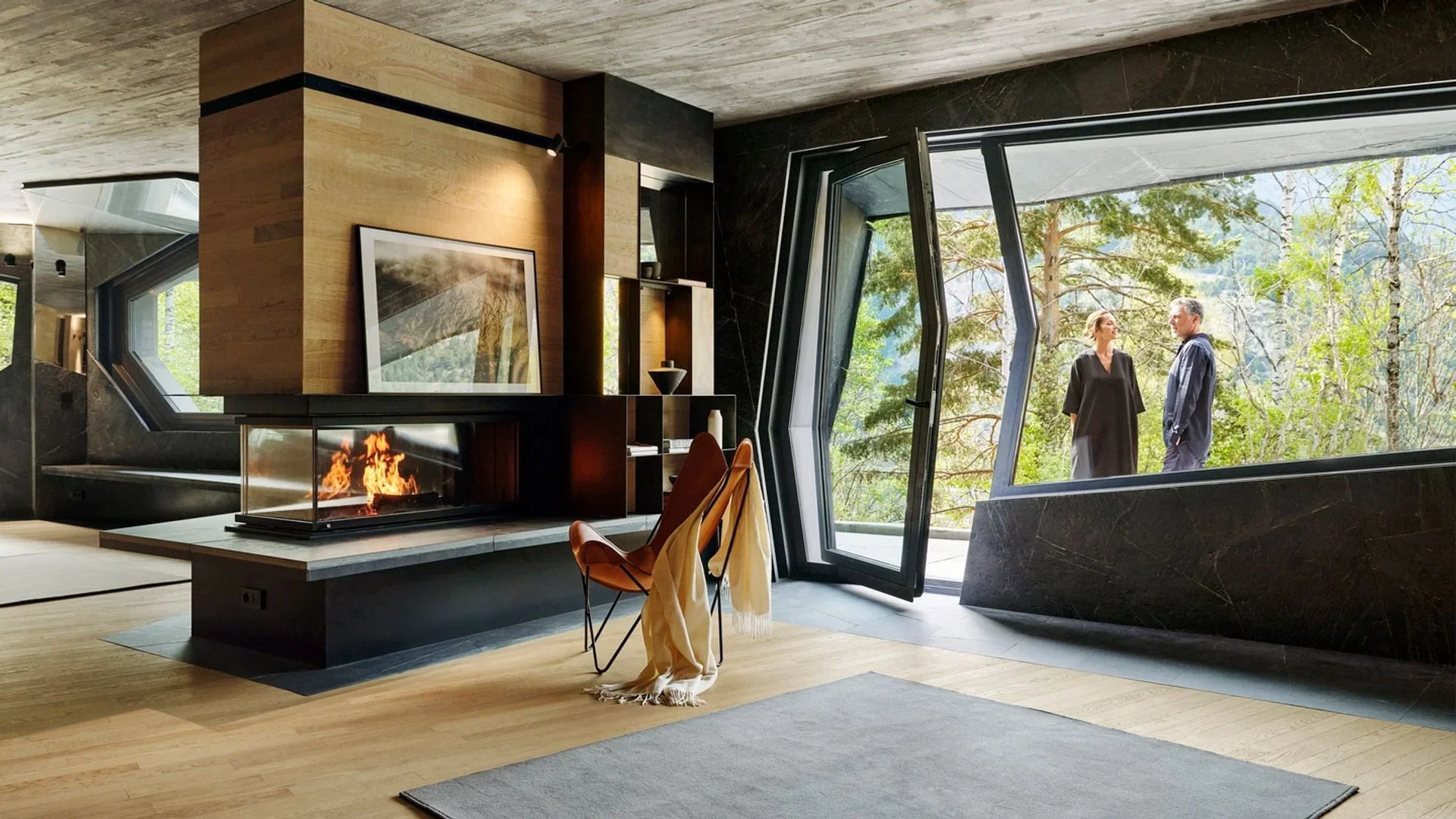
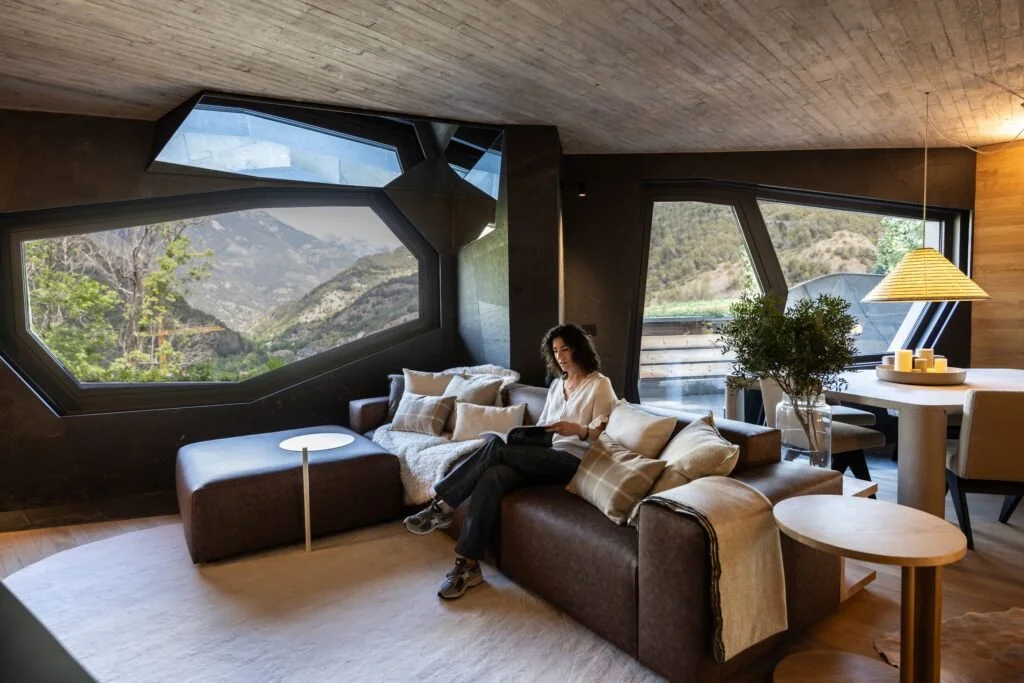
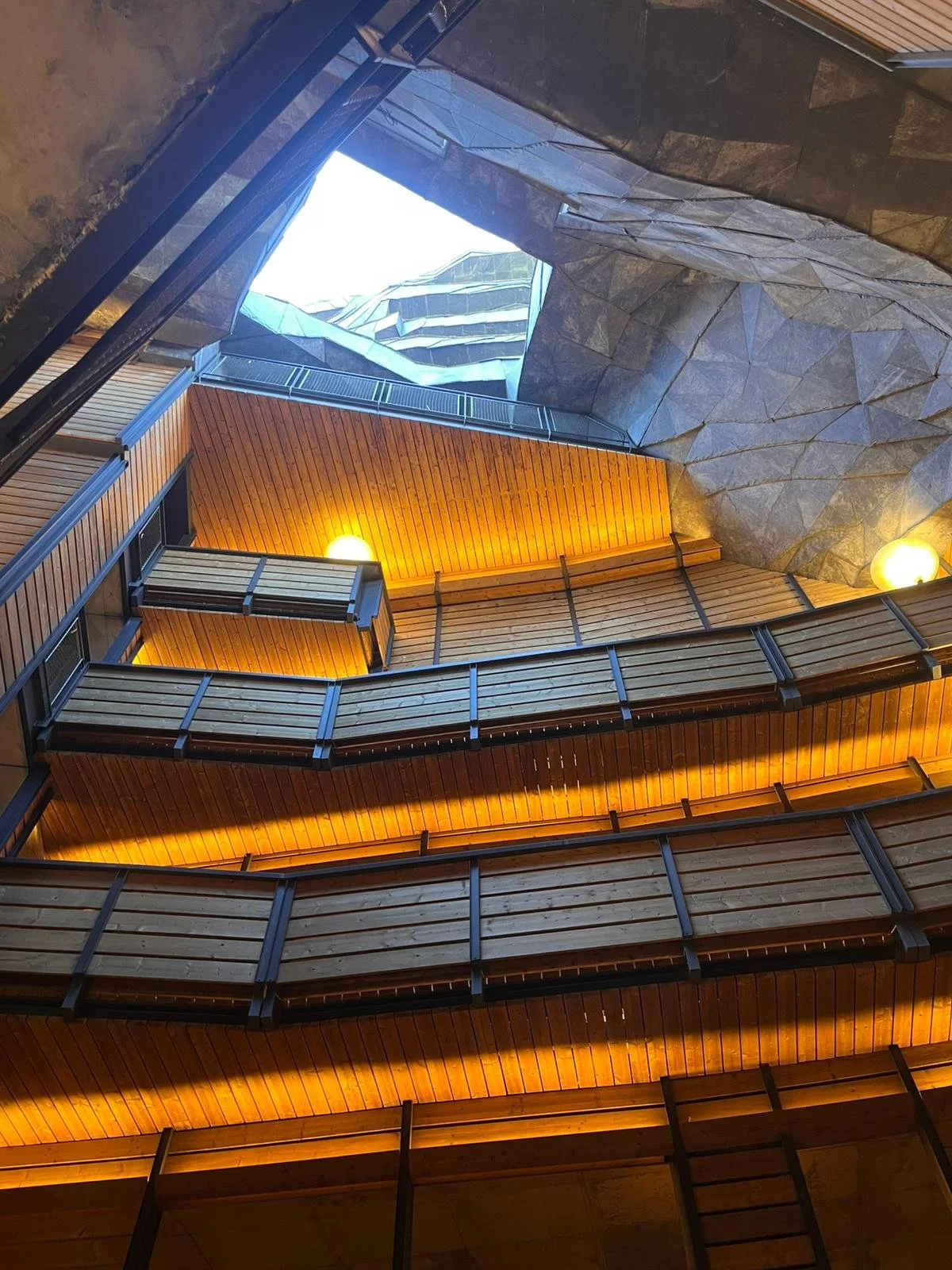
The complex comprises 51 residences across seven buildings, with individual layouts responding to the terrain and the views beyond. Deep recesses and carved-out openings create sheltered terraces, bringing the outdoors into everyday living. What I find particularly interesting is the relationship between the bold architecture and the surrounding environment. The buildings make a statement, yet their forms take inspiration directly from the landscape. And then there’s the wellness area. Imagine an underground spa inspired by the surrounding rock formations, complete with pools and a sauna. It sounds like an experience in itself!
I’m always fascinated by projects that challenge our idea of what a residential building can look like.
What do you think? Is this sculptural approach to architecture beautiful, or is it a little too much for your taste?
Explore the La Querola project on Dezeen, or visit the official project website.
La Casa del Pirata by Raúl Sánchez Architects
What happens when you respect a building's history without turning it into a museum?
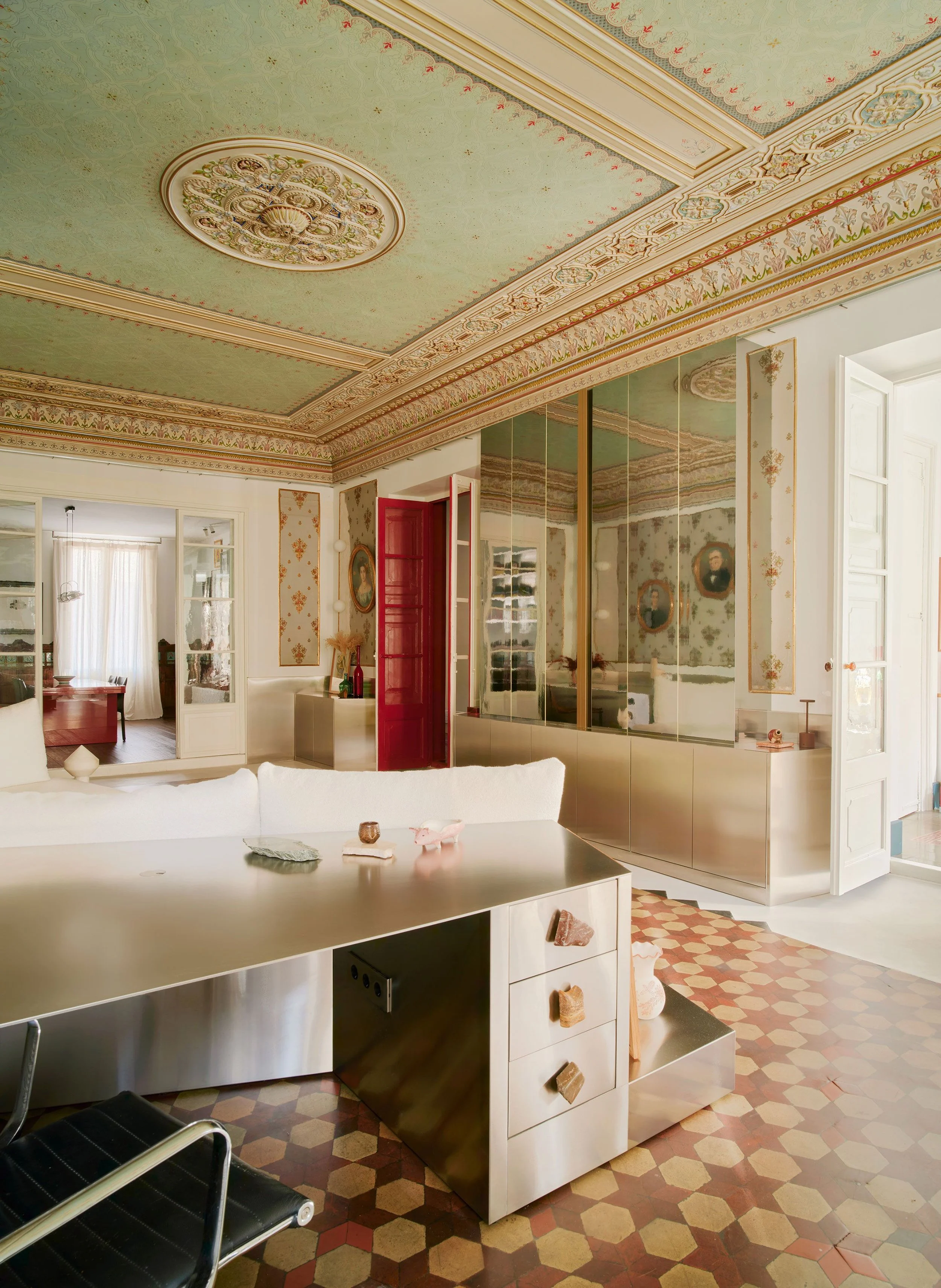
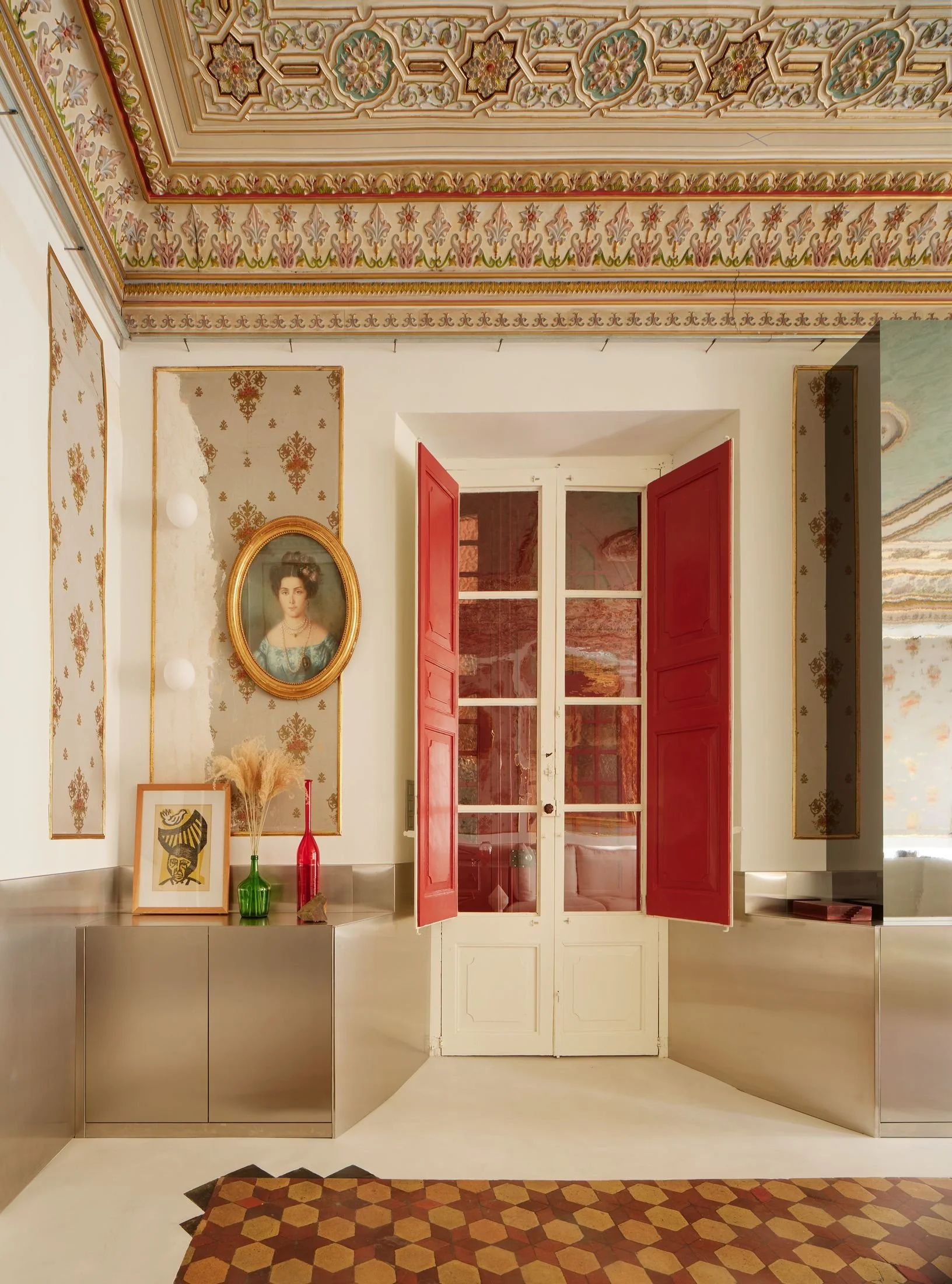
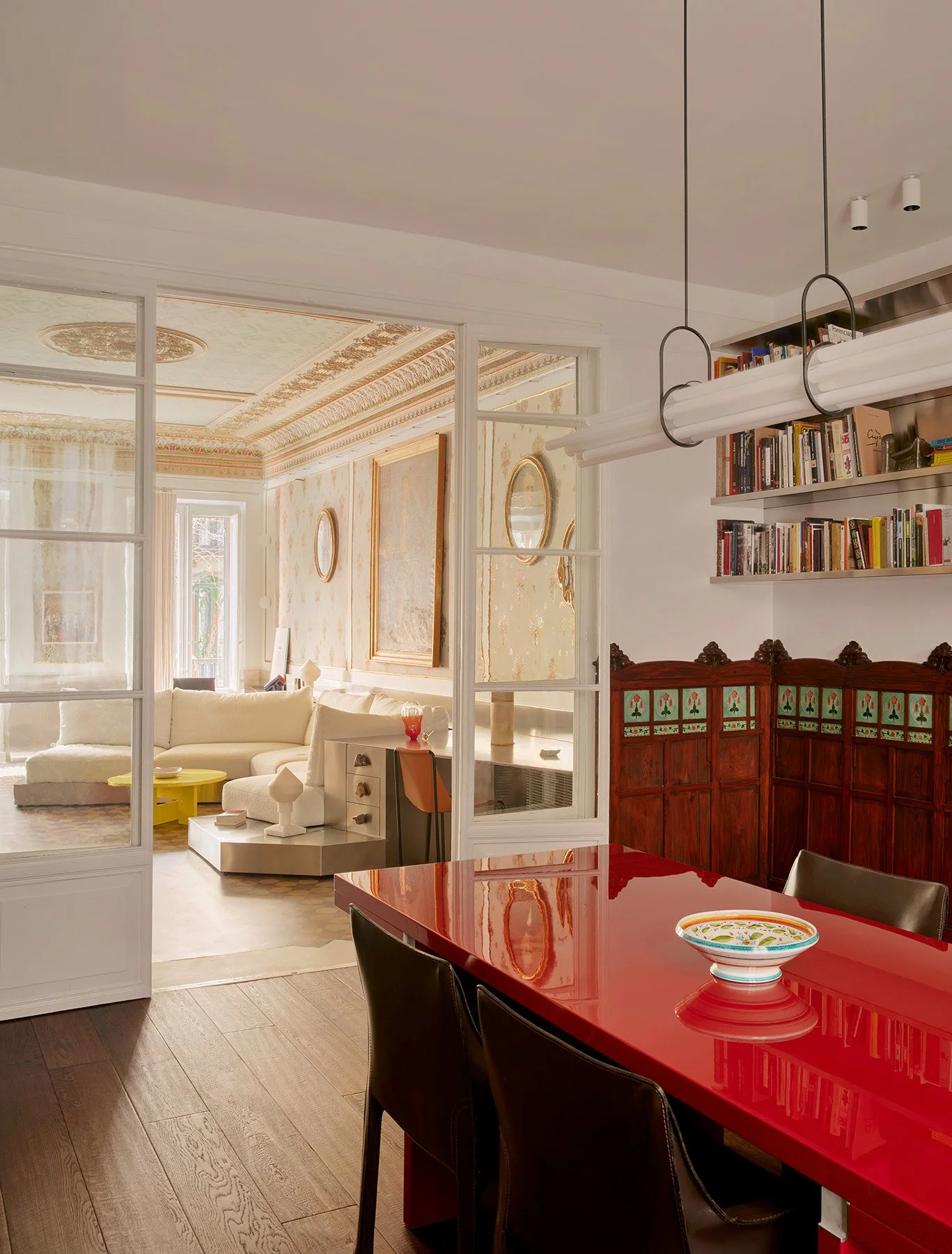
La Casa del Pirata, or the Pirate's House, is a renovation of a historic home in Mataró, Spain. Originally built in 1865, the property has a fascinating history connected to a former privateer, and the renovation brings a new chapter to the building. The project was commissioned by the owner's descendant and his wife, who wanted to make the historic rooms work better for modern life, including working from home.
What I love about this project is the contrast between old and new. Instead of hiding every imperfection or making everything look brand new, the design allows the building's history to remain visible. Aged finishes and historic details sit alongside contemporary interventions, creating a dialogue between the two. The standout feature for me is the continuous stainless-steel element (an indispensable material for the pirate) running around the main room. It acts as a plinth, but it also incorporates desks, supports a bespoke sofa and provides hidden storage.
I love solutions like this because they prove that practical design doesn't have to be boring. One carefully considered element can serve several purposes while giving the room a distinctive identity. For me, the real success of this project is that it respects the past without sacrificing the needs of the people living there today.
Explore La Casa del Pirata on Dezeen or discover more on the Raúl Sánchez Architects website.
The LEGO Group's Boston Hub by Acrylicize
And now, my personal favourite. I had to save this one for last!
How cool would it be to work somewhere that feels like stepping inside the LEGO universe?
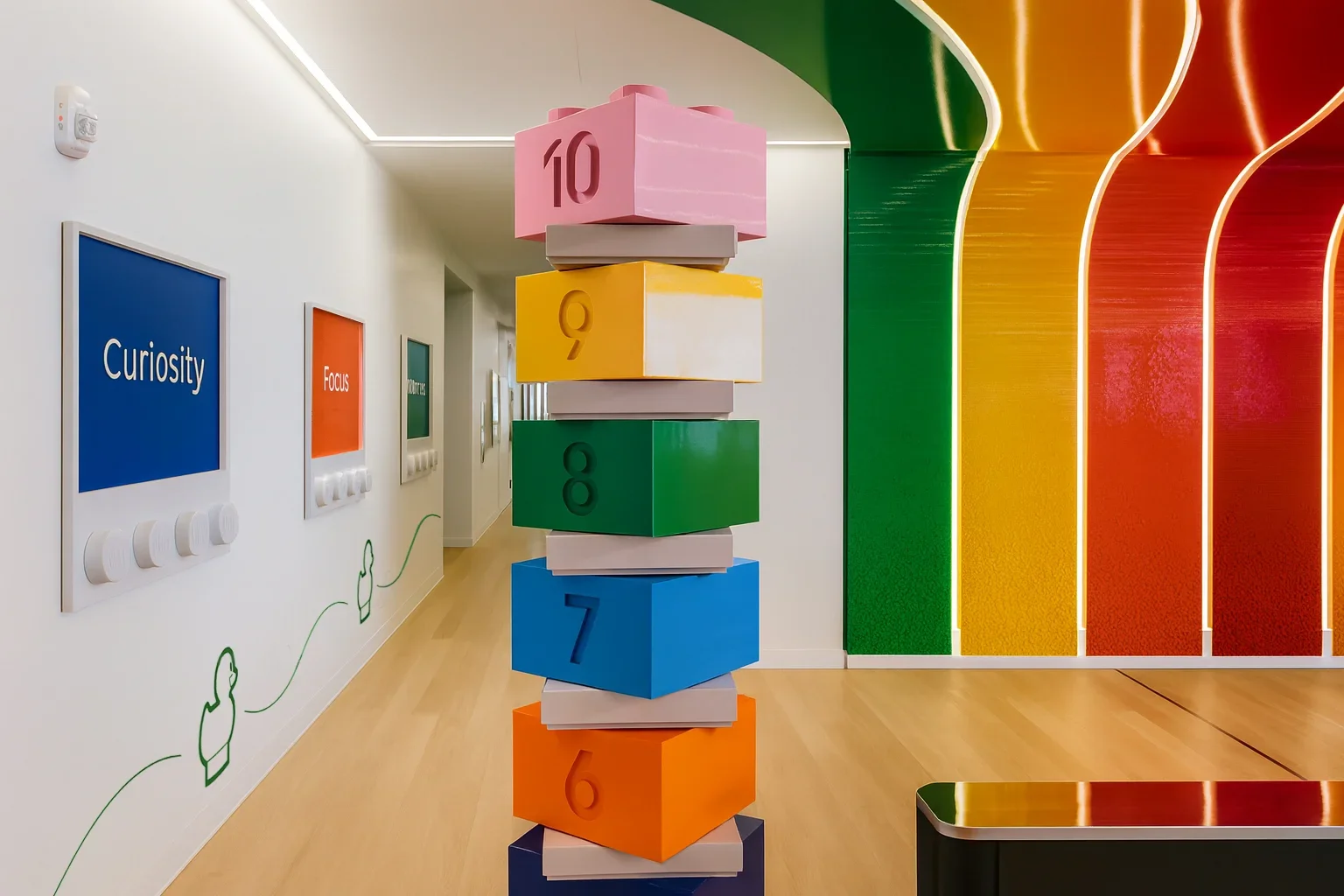
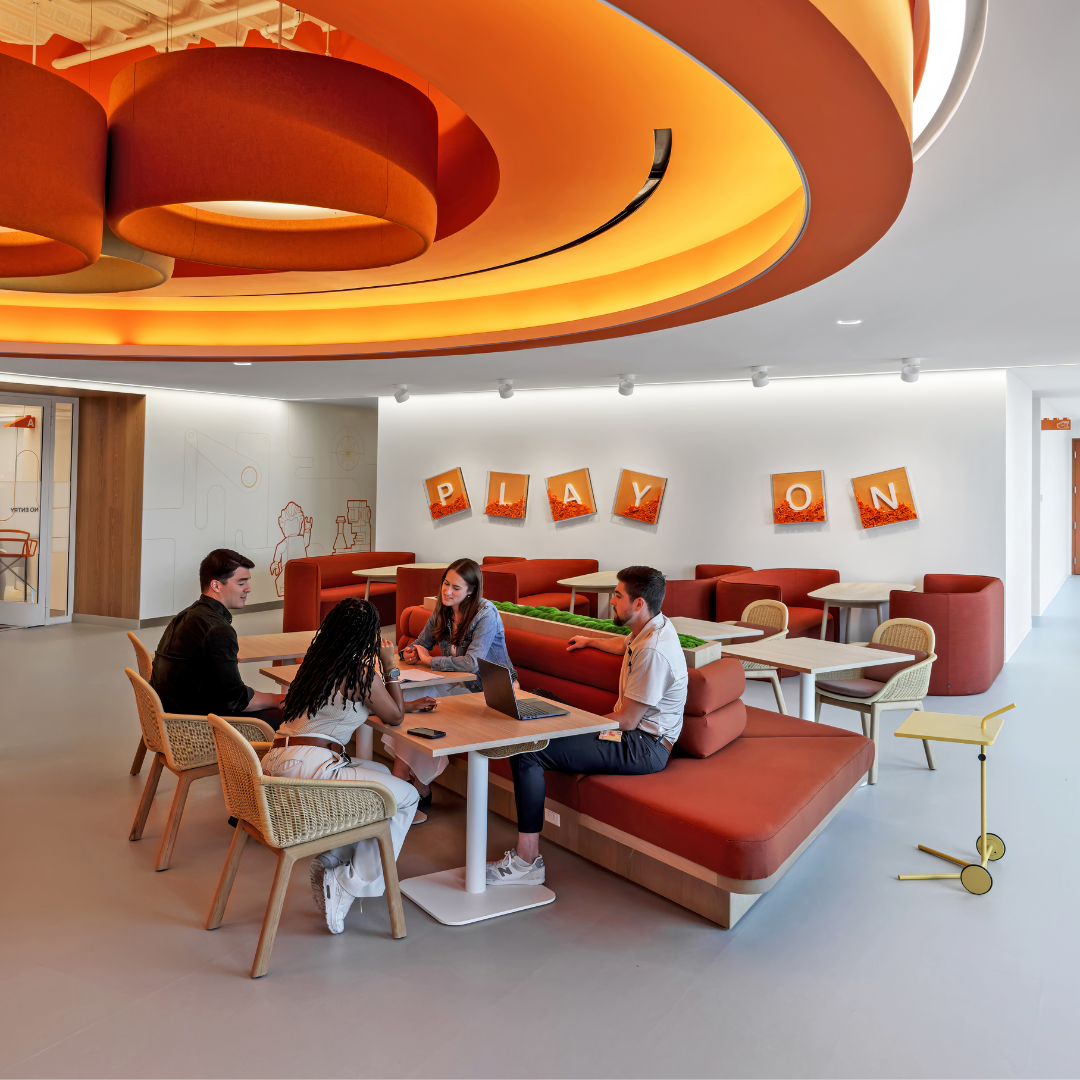
The LEGO Group's Boston Hub is a six-floor workplace in Boston's Back Bay neighbourhood. While BDG Architecture + Design led the interior design, Acrylicize developed the environmental graphics, branding and playful wayfinding system. Rather than treating signage as something purely functional, the team turned it into an integral part of the experience. Each floor celebrates a different aspect of Boston's identity, with themes including innovation, sport, recreation, arts and culture, and architecture. Oversized, three-dimensional LEGO brick forms help people navigate the building, acting as directional markers and room identifiers.
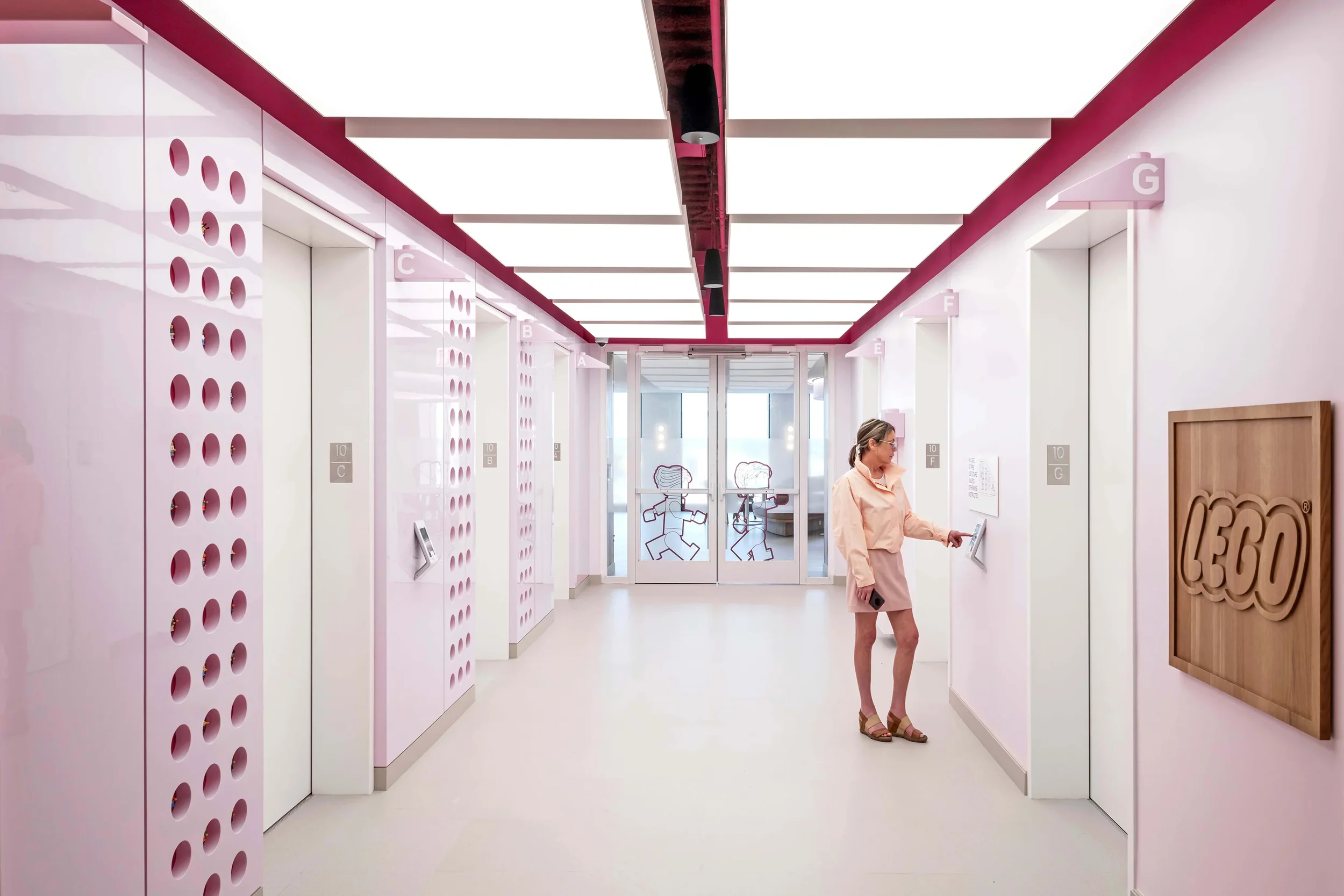
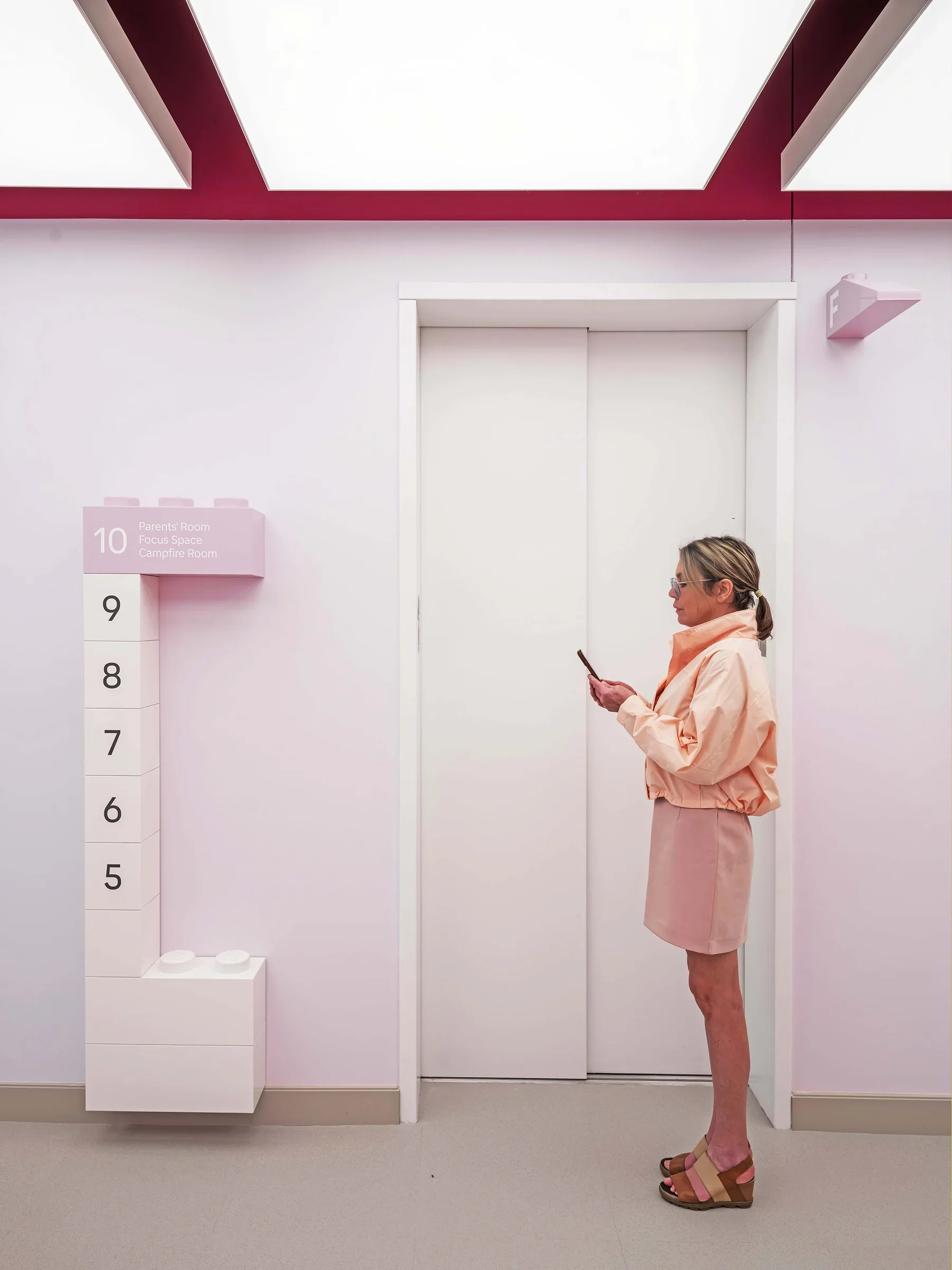
Colour plays an important role, too. Bright LEGO-inspired colours help distinguish different areas, making navigation more intuitive while reinforcing the brand's playful character. There are interactive features throughout the space, including a two-storey spinning totem made from oversized LEGO bricks. Another detail I love is the artwork inspired by knolling, arranging objects neatly in organised, often colour-coded layouts. Here, LEGO sets are presented almost like technical diagrams.
It's such a clever way to bring a brand's identity into a working environment without relying on logos alone. The design turns everyday elements, such as signage and navigation, into something people can enjoy. And it raises an interesting question: what if our workplaces encouraged a little more curiosity, creativity and play?
Would you like to work in a space like this? I certainly wouldn't mind!
Explore The LEGO Group's Boston Hub on Dezeen or see more of the project on the Acrylicize website.
You can also explore the full Dezeen Awards 2026 shortlist, including the architecture, interiors and design categories. I highly recommend taking a look; there's so much to discover.
Interesting Fact: A Small Act of Kindness Can Save a Life
Sometimes, the most extraordinary stories aren't about groundbreaking designs or impressive achievements. They're about ordinary people choosing to do something kind.
I came across the story of Donald Ritchie, an Australian man who lived opposite The Gap, a coastal cliff in Sydney known for its history of suicide. When Donald noticed someone who appeared to be in distress, he would approach them, start a conversation and often invite them home for a cup of tea. His simple, compassionate approach helped persuade people to step away from the cliff and accept support. He was officially recognised for saving more than 160 lives, an extraordinary testament to the difference one person can make.
What struck me most about his story is how simple his actions were. He didn't need a grand plan or special equipment. He paid attention, reached out and made time for people who needed someone to care. It's a powerful reminder that kindness doesn't have to be complicated to matter. Sometimes, a conversation, a little patience, or simply being willing to notice someone can make a difference we may never fully understand.
Explore the YouTube video here.
One Thing That I Learned
The Tiny Habits Technique
Have you ever felt that sudden spark of motivation to start a new habit?
Perhaps you've seen something inspiring on Instagram, listened to an interesting podcast or decided that it's finally time to make a change. You start enthusiastically, everything goes well for a few days, and then life gets in the way. You miss one day, then another, and before you know it, the habit has disappeared. I've tried different approaches myself, from setting reminders and alarms to attaching new habits to routines I already have. But recently, I discovered an idea that has been working really well for me: make the habit so small that you can still do it on your busiest days.
Let's say you want to read more books. On a good evening, you might have time to read a whole chapter or two before bed. But on a particularly busy or tiring day, that can feel like too much effort. Instead of skipping reading altogether, try reading just one paragraph, or even one sentence. That's it! No pressure to complete a chapter, no guilt about not doing enough. You simply show up and do the tiny version of your habit. The idea is to make consistency easier by lowering the effort required on difficult days. You're building a routine that can survive real life, rather than one that only works when everything goes to plan.
I love this approach because it takes away the all-or-nothing mindset. You don't have to be perfect every day to make progress. What tiny habit could you start today? I'd love to hear how you get on if you give it a try.
I discovered this idea through an episode of Modern Wisdom featuring Spencer Greenberg. You can watch the episode here.
One item that I have fallen in love with
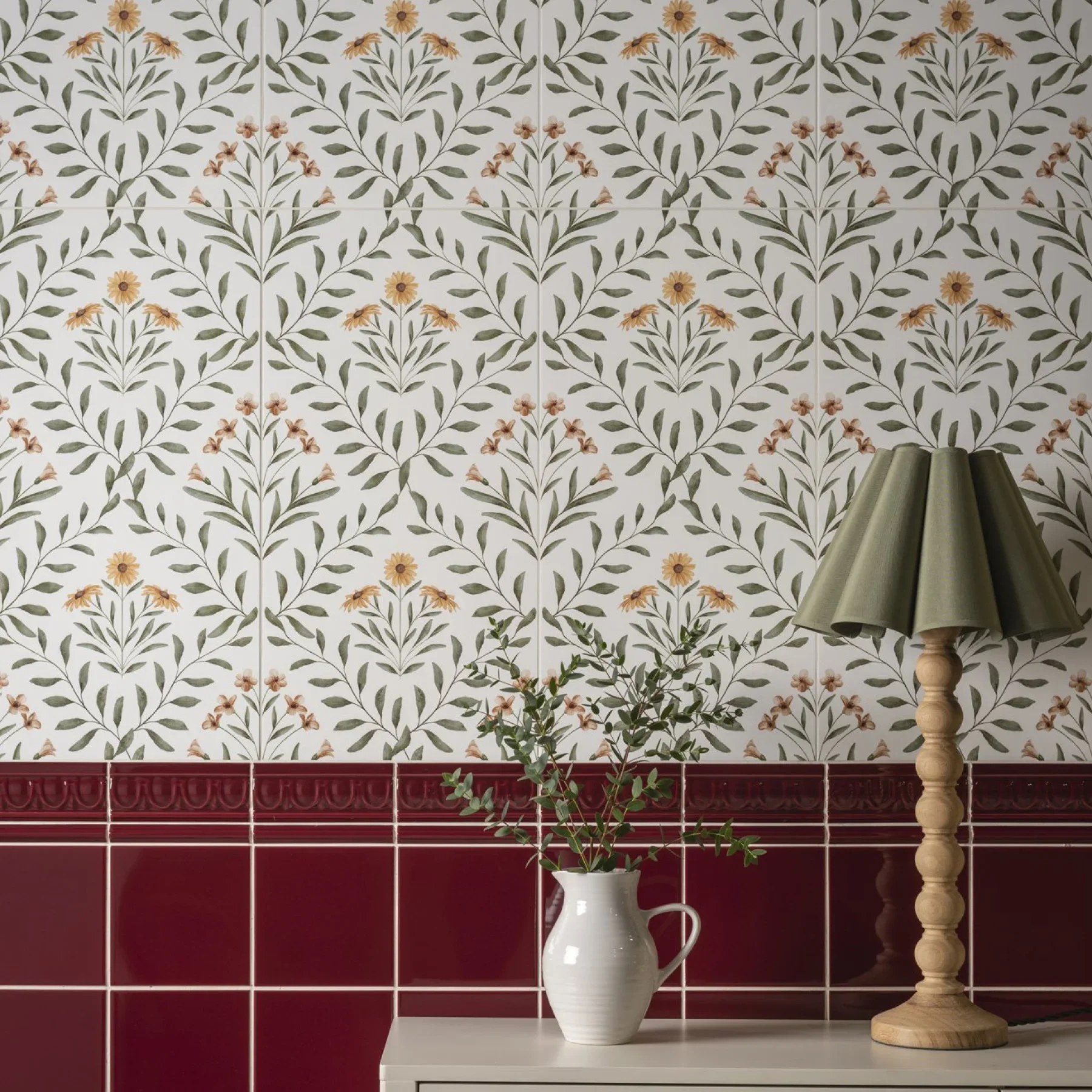
Living Arts & Crafts Flora Pink Tiles by Clay & Rock
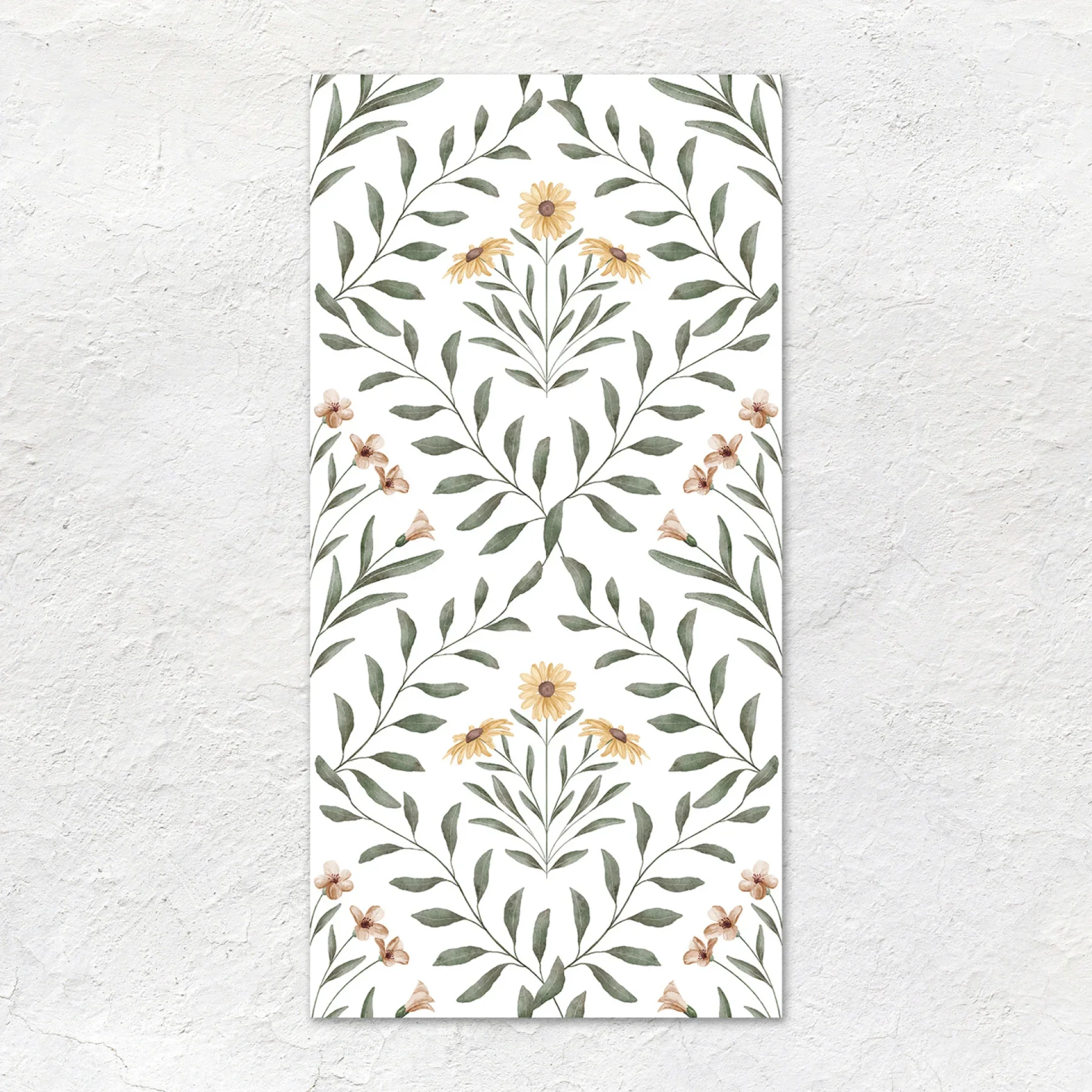
While exploring suppliers and looking for inspiration for future interior projects, I came across Clay & Rock and their beautiful collection of tiles. There are so many distinctive designs that I could happily spend hours browsing through them. But one design in particular caught my eye: Living Arts & Crafts Flora Pink.
The delicate floral motif, with its pink and yellow accents, is such a lovely way to introduce pattern and colour into an interior. It feels decorative without being overly sweet, and I can already imagine so many ways to use it.
Pairing these tiles with deep burgundy gloss tiles, classic wall moulding and aged brass hardware = the perfect bathroom.
The contrast between the playful floral pattern, rich burgundy and warm brass would create a bathroom with real character. It would feel elegant and a little unexpected, while still being inviting and timeless. It's a great reminder that a beautiful interior doesn't always need lots of different materials. Sometimes, a few carefully chosen finishes that complement one another can create all the impact you need.
Take a look at the Living Arts & Crafts Flora Pink tiles at Clay & Rock.
That's everything from me this October!
Until next month!